If you’ve searched for El Zonte, El Zonte Beach or El Zonte life, chances are you’re looking for more than just waves and sunsets. You want to understand the place, the vibe, the people and what life here really feels like.
I’m Salvadoran, and El Zonte is not just a destination to me. It’s a living community. I know the locals, the stories, the small food spots, the sunrise breakfasts overlooking one of the best waves in the country. And I’ve also seen how much this place has changed.
This is El Zonte beyond Instagram.
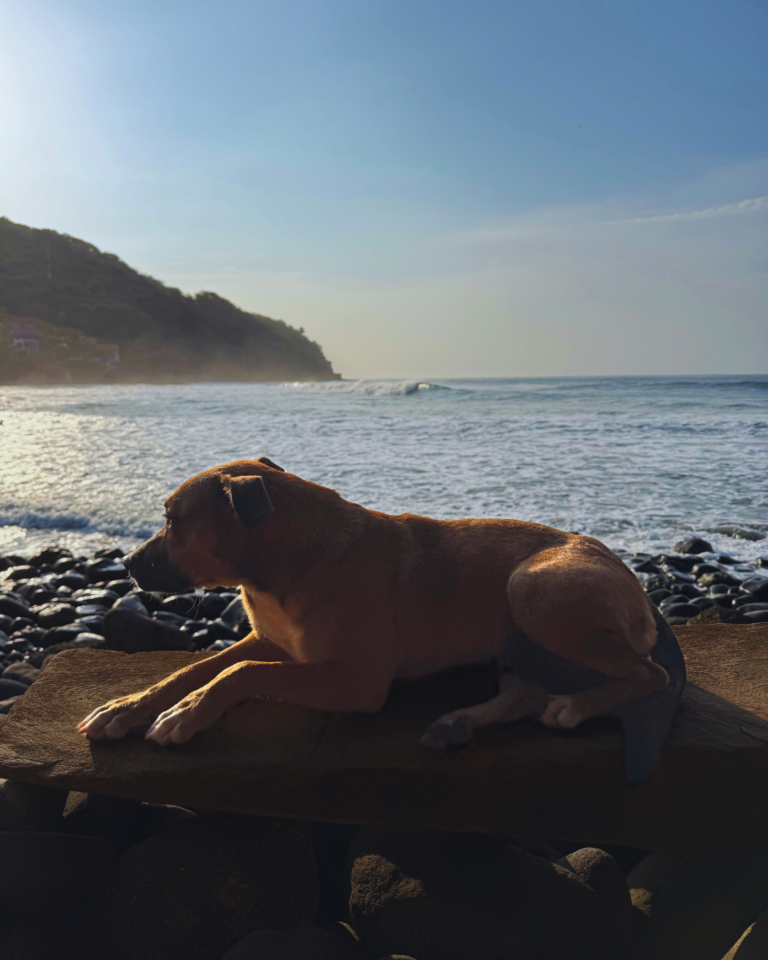
Where Is El Zonte and Why Is Everyone Talking About It?
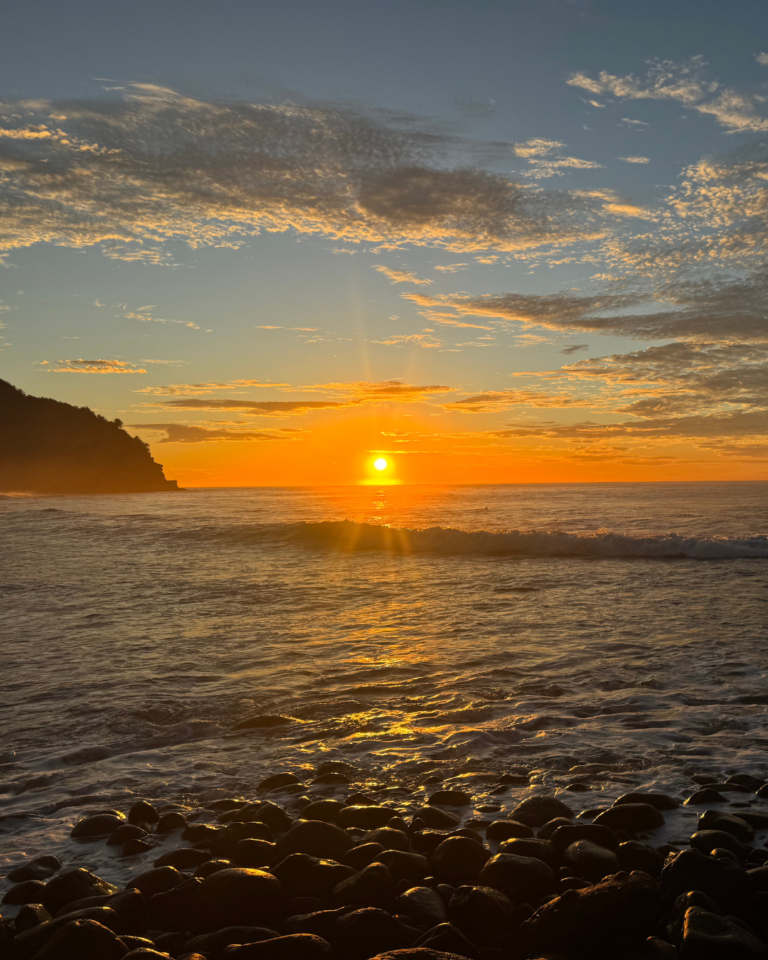
El Zonte Beach is located on El Salvador’s Pacific coast, about one hour from San Salvador. Once a quiet fishing village and surf spot known only to locals and a few adventurous travelers, El Zonte has become one of the most talked-about beach towns in the country.
Known for:
-
- Consistent world-class surf
-
- A relaxed beach lifestyle
-
- A strong local community
-
- Its role in El Salvador’s Bitcoin story
What used to be a forgotten coastal town is now a symbol of El Salvador’s tourism boom.
The Real El Zonte Life (From Someone Who Knows It)
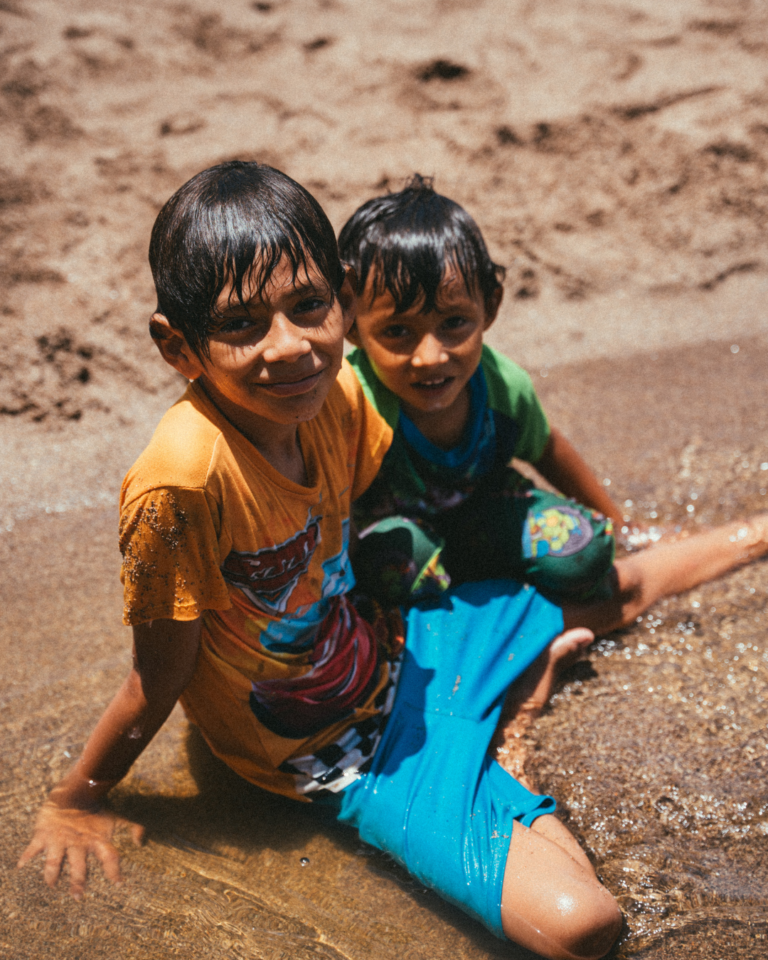
Life in El Zonte is still beautifully simple, if you know where to look.
You can:
-
- Enjoy a full local meal for $3.50 ( Hola Laurita 😉 )
-
- Have breakfast for $4 with an ocean view, watching surfers ride the main break ( Donde Teco )
-
- Eat freshly caught fish prepared by families who have lived here for generations
These are not tourist traps. These are places locals go to: small pupuserías, family-run comedores, beachside kitchens with plastic chairs and million-dollar views.
This is the El Zonte I love.
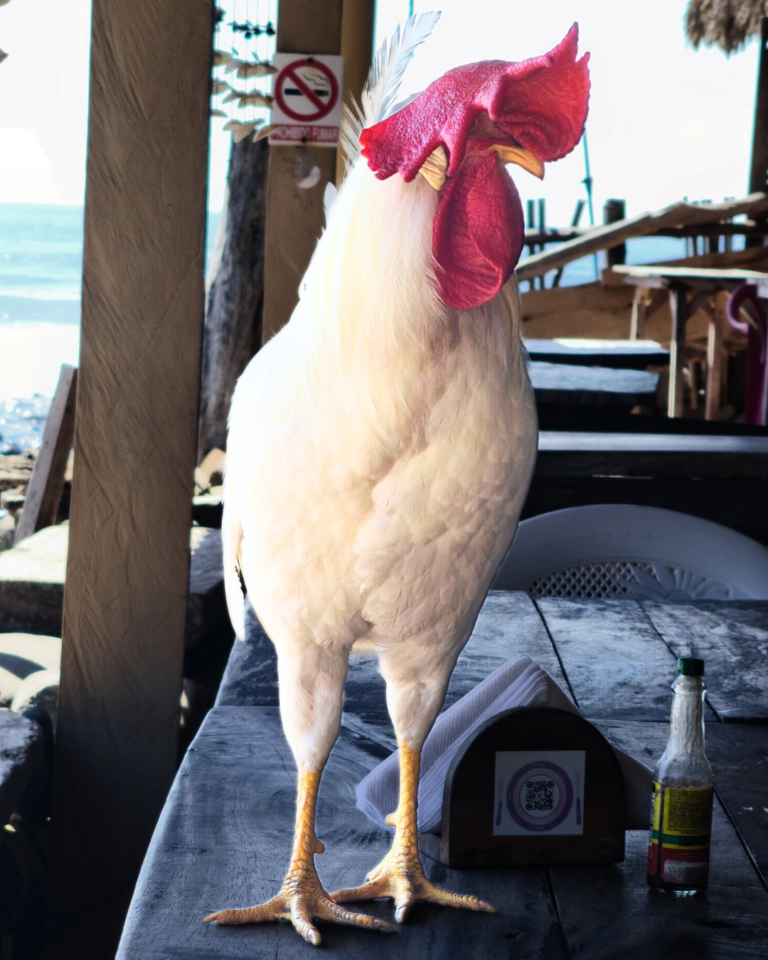
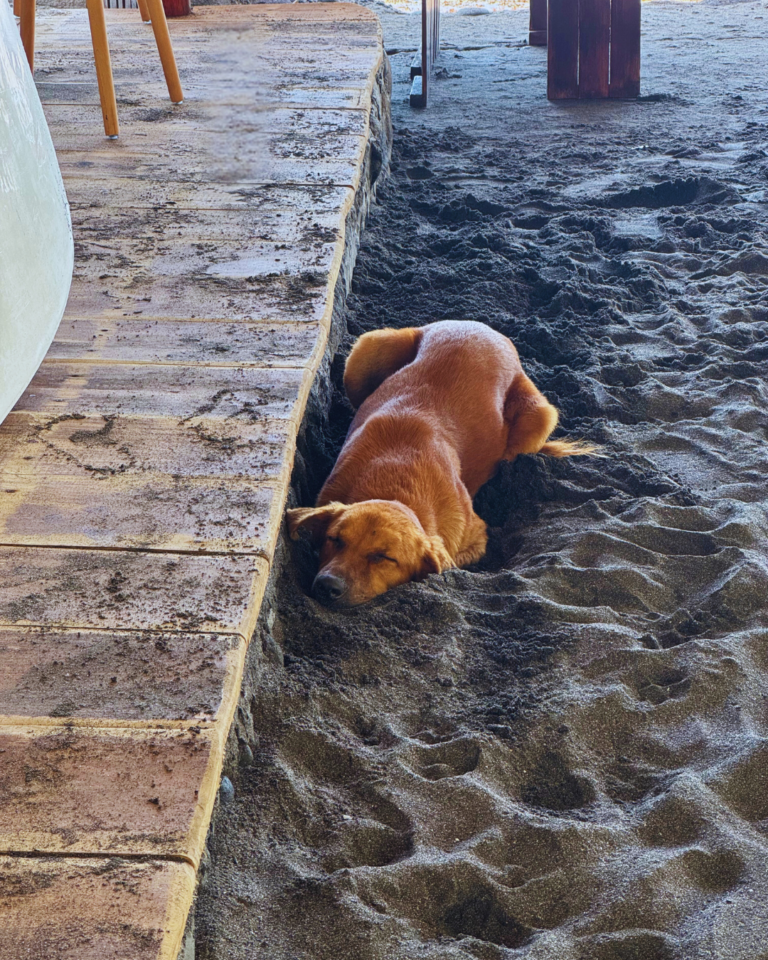
And yes it is also to know new friends like the famous rooster Polinesio, an unexpected local icon who perfectly represents El Zonte’s character: free, loud, and unapologetically local.
Where to Stay in El Zonte: From Simple to Stylish
El Zonte offers a wide range of accommodations that will fit your budget:
-
- Small guesthouses run by local families ( from 28$ the night )
-
- Surf hostels with a strong community vibe ( from 60$ the night )
-
- Beautiful boutique hotels overlooking the ocean ( from 100 $ + the night)
Surf Culture: The Heart of El Zonte Beach
Surfing is at the core of El Zonte life. The wave is powerful, consistent and respected.
What makes El Zonte special is not just the quality of the surf it’s the culture around it:
-
- Local surfers who grew up in the water
-
- Visiting surfers who come back year after year
-
- A shared respect for the ocean
Surf here isn’t a trend. It’s a way of life.






As for everything in this life, there is another side of the story: Gentrification in El Zonte
Ten years ago, El Zonte was a quiet coastal town with limited infrastructure. Today, large development projects reshape the landscape and the consequences are very real for local families.
Several families who lived in El Zonte for decades have been forced to leave their homes to make way for tourism and infrastructure projects linked to Surf City.
These families are now relocated to a new housing area located near a water treatment plant, where strong and constant odors affect daily life.
To secure this relocation, many families were required to pay significant amounts of money: up to $10,000 and to accept much smaller houses built on hillsides, with no green areas, no trees, and limited living space.
What was presented as development and progress has resulted in displacement, loss of quality of life, and the breaking apart of a long-established community.
This reality, documented by local journalists and experienced by families currently living in these conditions, is an essential part of El Zonte’s story today.
And now, the part most travel guides avoid.
El Zonte has changed dramatically.
Tourism brought opportunity, visibility, and economic growth: yes.
But it also raised a difficult question:
Success at what cost?
Gentrification is a real issue in El Zonte:
- Rapid construction
- External investment disconnected from the community
- Pressure on local culture and housing
This doesn’t mean tourism is bad.
It means tourism must be conscious.
Visiting El Zonte Responsibly
If you want to experience El Zonte in a meaningful way:
- Support local businesses
- Eat where locals eat
- Stay in places that hire locally
- Respect the culture, not just the aesthetic
El Zonte doesn’t need to become something else to be successful.
Its value is already here: in its people, its waves, and its roots.
El Zonte Today: A Place Between Past and Future
El Zonte is no longer a secret.
But it’s still real if you take the time to see it properly.
It’s a place of contrast:
- Surfboards and construction cranes
- Local breakfasts and luxury villas
- Community pride and growing pressure
Understanding El Zonte means embracing all of it.
And if you want to experience El Zonte Beach and El Zonte life beyond clichés, that’s where local knowledge makes all the difference.
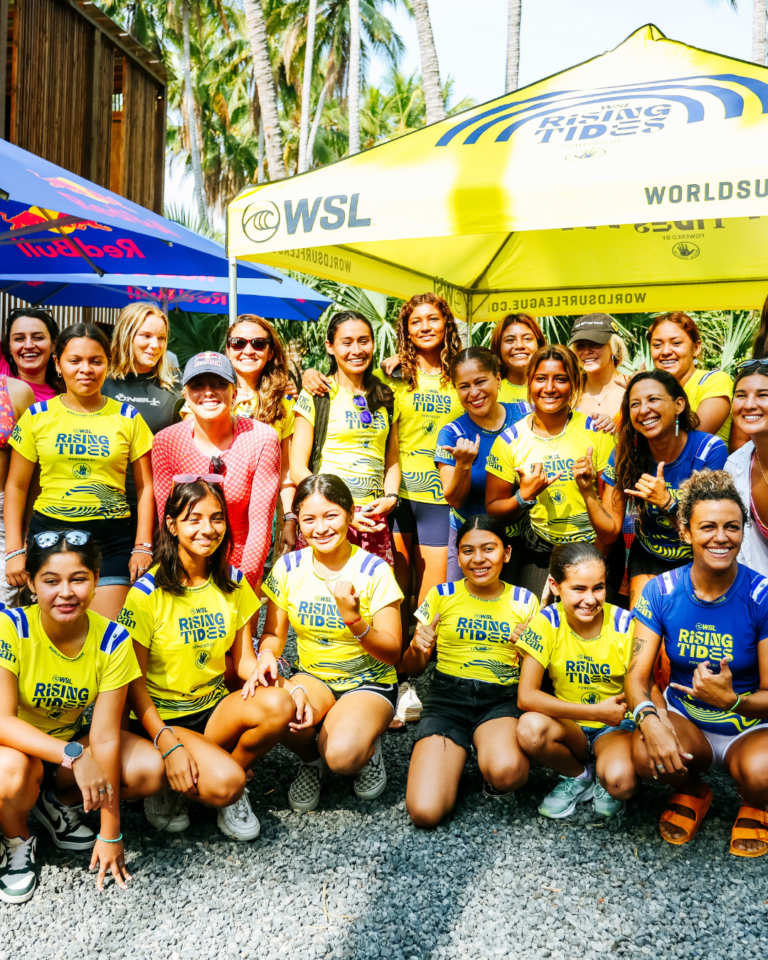
Giving Back: Supporting Girls & the Local Community in El Zonte
If you’re visiting El Zonte and looking for a way to give back to the community, there is a meaningful initiative worth knowing.
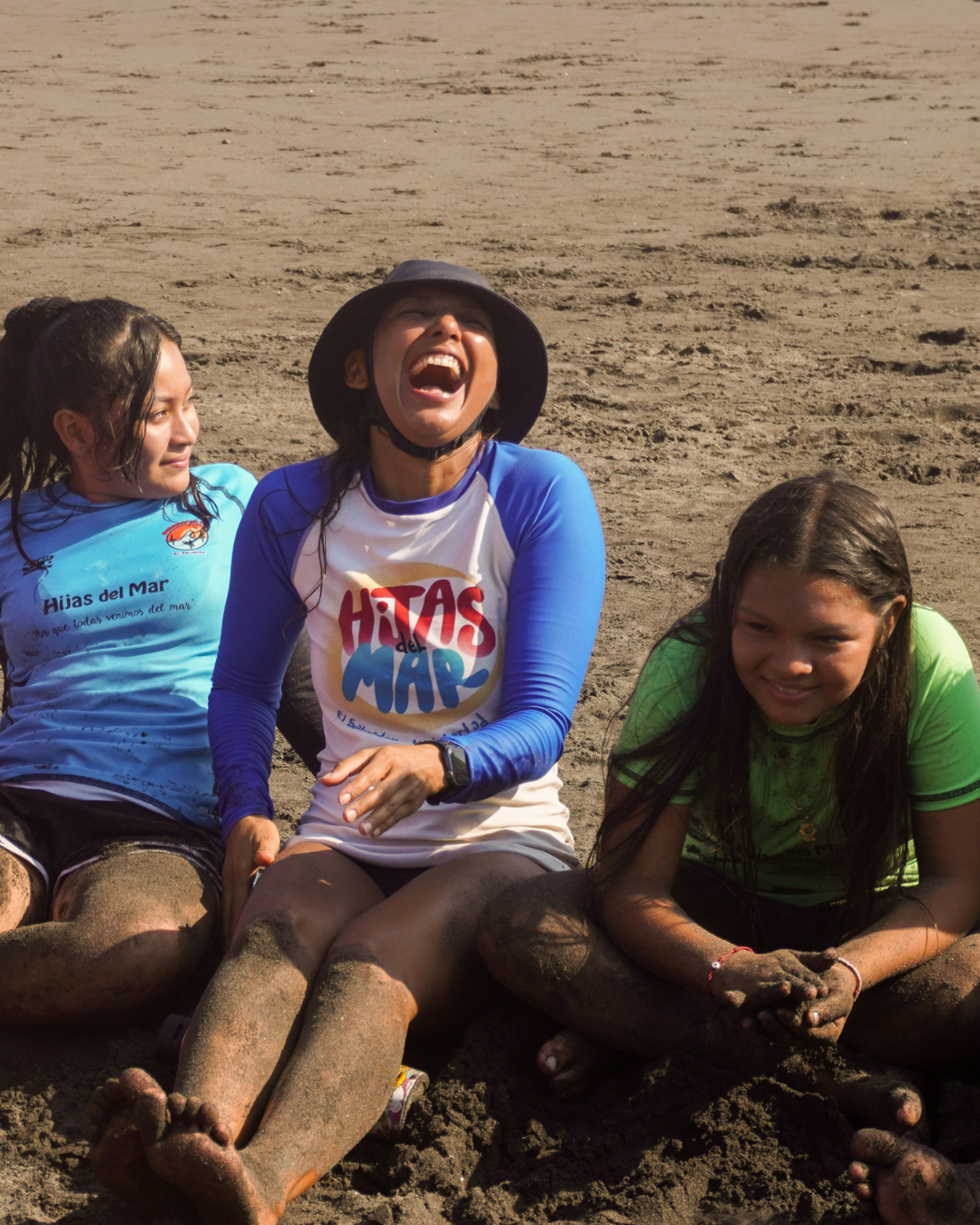
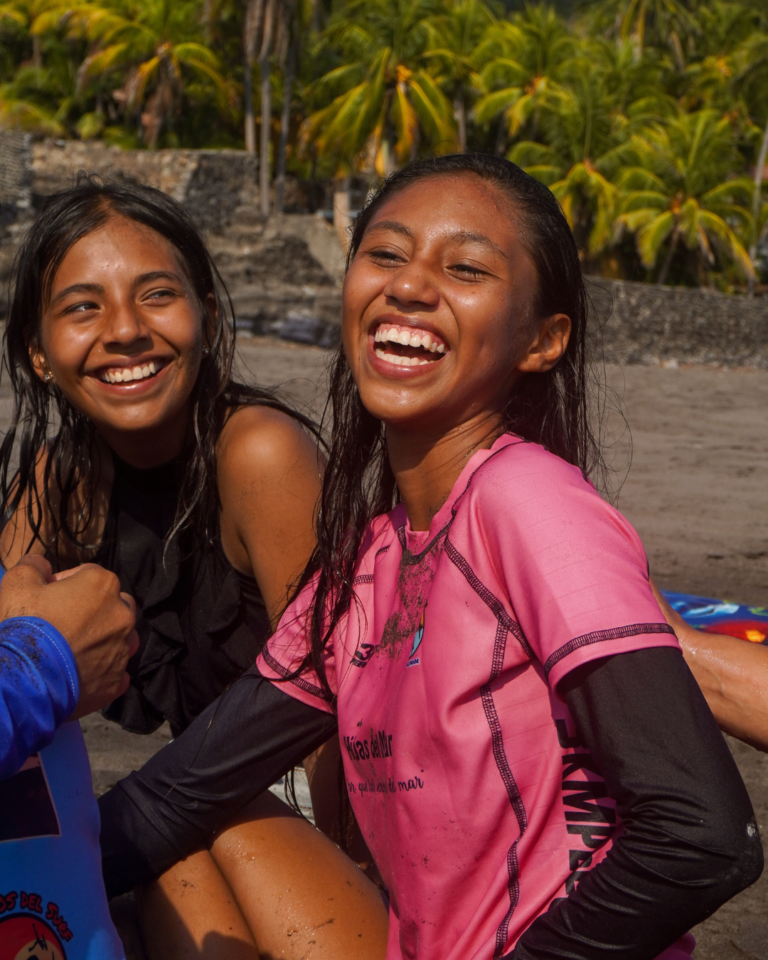
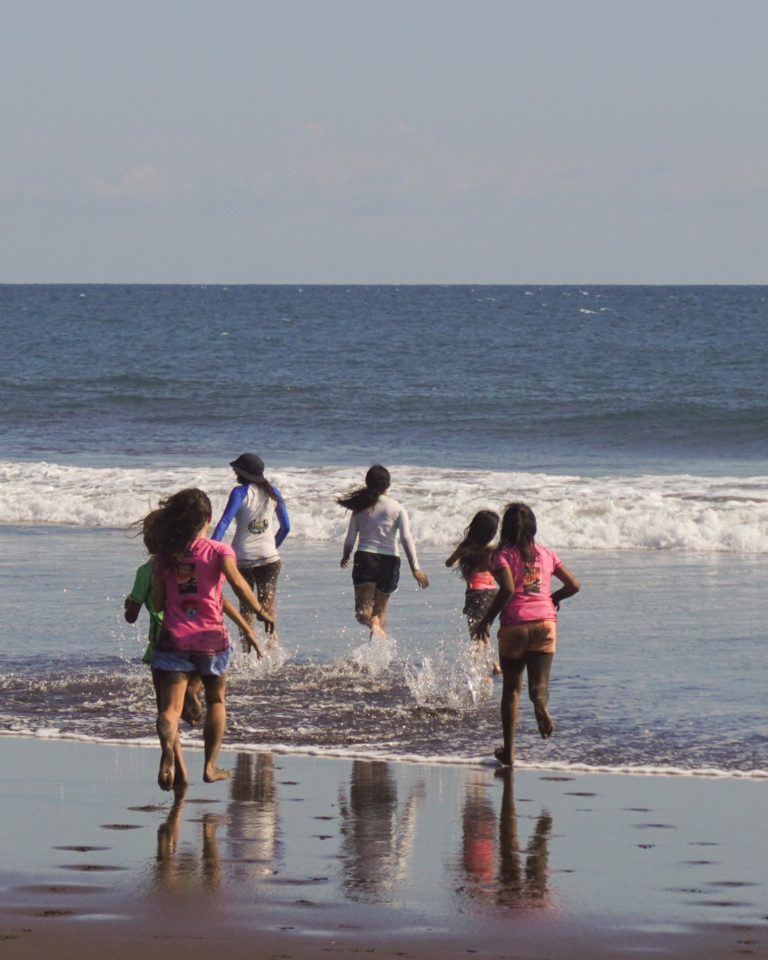
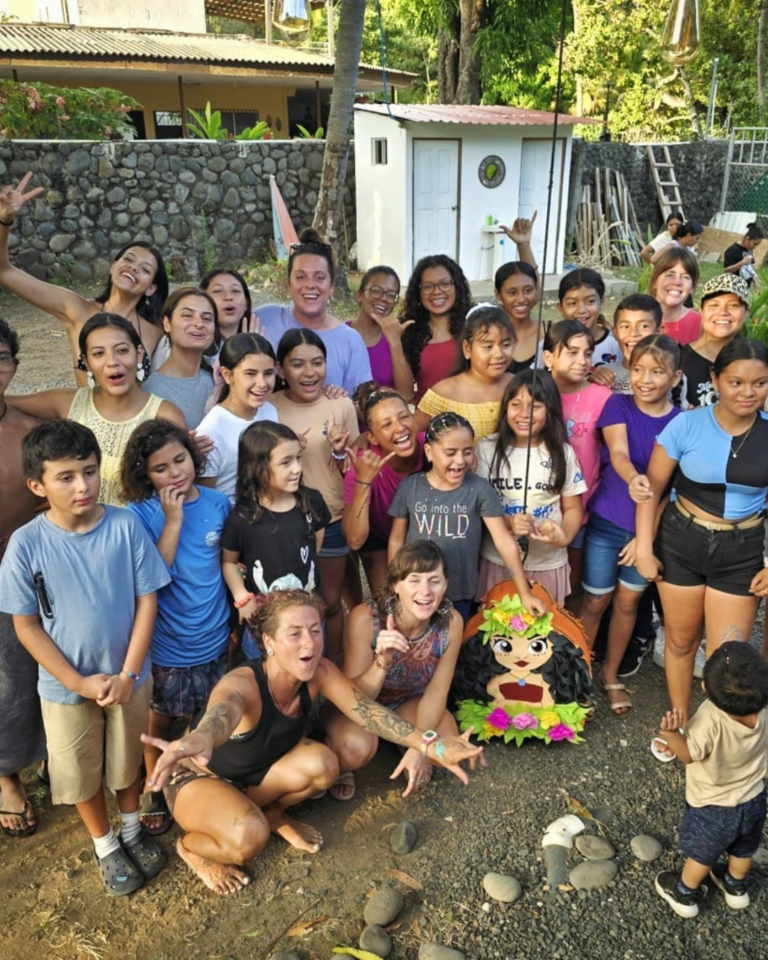
Hijas del Mar is a non-profit organization based in El Zonte that works with girls and young women from the local community, offering them a safe space, education, mentorship and opportunities to grow through surfing, arts and personal development.
In a place that is changing rapidly, organizations like this play a crucial role in ensuring that local girls are not left behind as tourism and development grow.
Visitors can support Hijas del Mar by:
- Learning about their work
- Donating
- Volunteering (when possible and appropriate)
- Simply spreading awareness
Supporting community-led projects helps create a more balanced and responsible tourism model, one where growth also means protection, inclusion and long-term impact.
If you want to learn more or find ways to help, you can visit their website